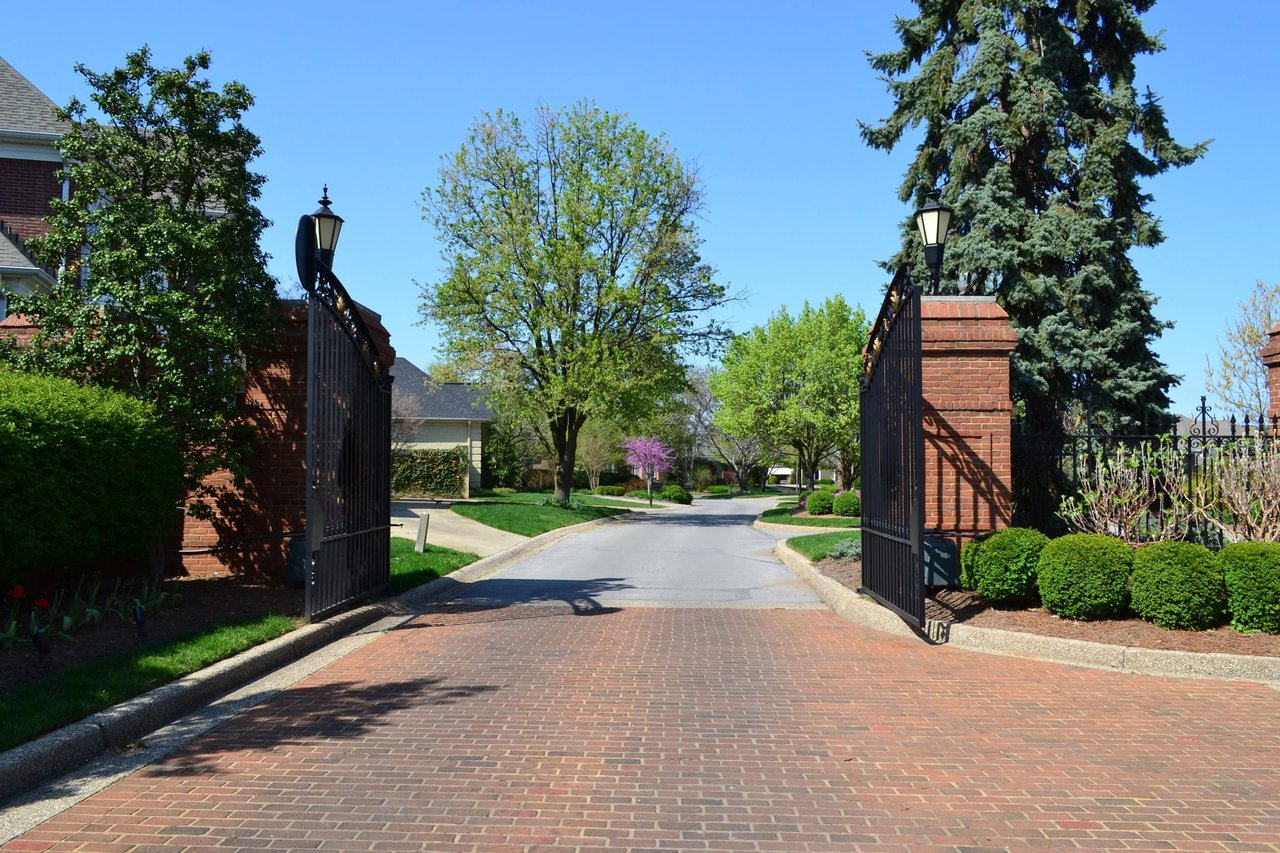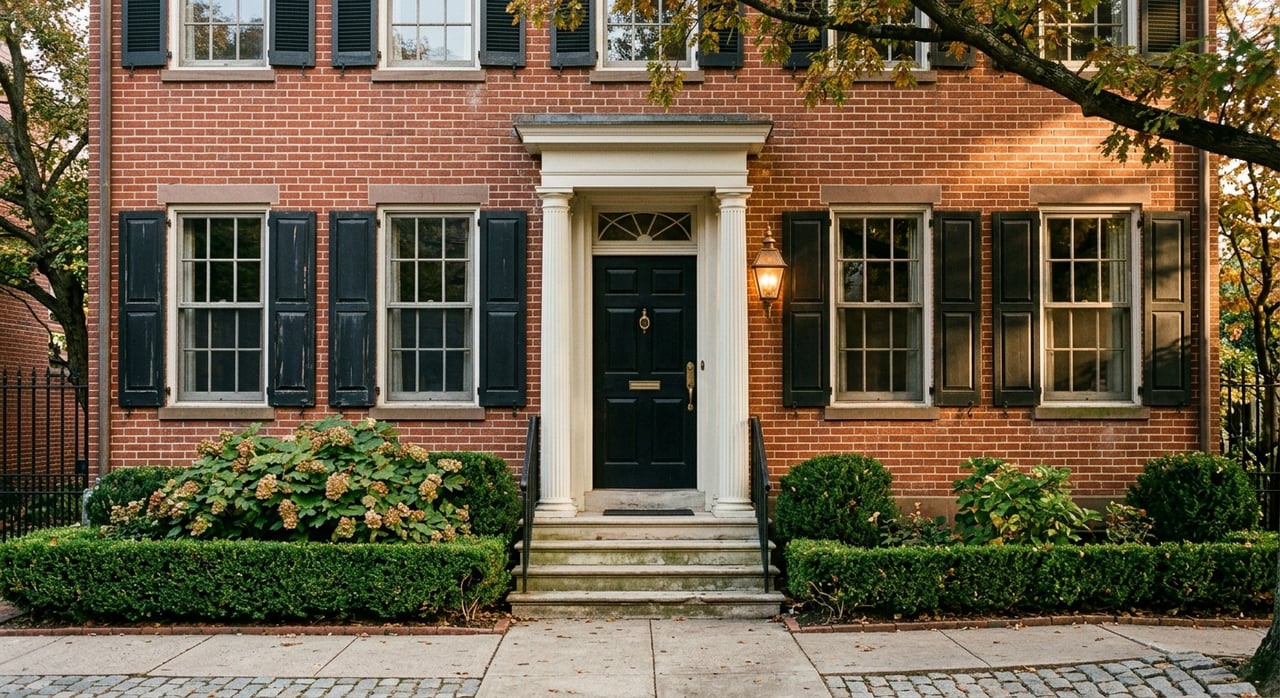
If you love the idea of history being part of your daily routine, Fredericksburg deserves a closer look. This is a place where older buildings, neighborhood streets, parks, restaurants, and commuter options all work together in real life, not just in postcards. If you are wondering what it actually feels like to live here and what kinds of homes you can expect, this guide will help you understand the basics. Let’s dive in.
What Living in Fredericksburg Feels Like
Fredericksburg is an independent Virginia city established in 1728, with a population of 27,982 as of the 2020 Census. The city describes itself as a living community where the historic core, residential streets, and commuter corridors still function together.
That matters if you want more than a charming downtown. In Fredericksburg, the older center is not separate from everyday life. It is part of how people move through the city, spend time outdoors, and choose where to live.
Historic Character Shapes Daily Life
Fredericksburg’s historic district includes buildings and streetscapes that span nearly three centuries. The oldest surviving downtown building dates to 1737, and the city notes that the historic sections combine residential and commercial uses with shaded sidewalks and connected street grids.
For you as a buyer or future seller, that means the city offers a setting that feels walkable and layered rather than uniform. You may see homes, shops, offices, and civic buildings existing close together, especially near the historic core.
Downtown Has Distinct Areas
The city’s planning framework breaks Downtown Area 7 into a historic core and four perimeter neighborhoods. Within the core, lower Caroline Street is known for grand residences, upper Caroline Street includes remnants of industrial buildings, William Street and middle Caroline Street form the business district, and Princess Anne Street serves as the government corridor.
These distinctions can help you picture the housing and street feel from one block to the next. Even within downtown, Fredericksburg is not one-note. Some areas feel more residential, while others are more mixed-use or civic in character.
Fredericksburg Housing Is Not One Style
One of Fredericksburg’s biggest strengths is range. The city includes regulated older homes in and near the historic core, plus townhouses, multifamily housing, and newer development along its western and southern edges.
This mix makes Fredericksburg appealing if you want choices. You can focus on historic architecture, look for a more conventional townhouse lifestyle, or explore newer areas shaped more by commuter access and recent development.
Historic Homes and Older Architecture
Architecturally, Fredericksburg is especially known for Federal-era buildings that define much of the downtown commercial district and nearby neighborhoods. Many early structures also blend Federal and Greek Revival elements.
Across the city, you can also find later domestic styles such as Queen Anne, Neo-Classical and Beaux Arts, American Foursquare, Bungalow, Art Deco, Streamline Moderne, and International Style. If home style matters to you, Fredericksburg offers more variety than many buyers expect in a smaller city.
Newer Development and Growth Corridors
Outside the historic center, the city’s small-area plans identify a number of residential districts and growth corridors. These include areas along Route 3 such as Idlewild, Altoona, and Great Oaks, plus Normandy Village, Riverside, Fall Hill, Mayfield, the Lafayette and Route 1 South area, and the University and Central Route 1 area.
The Central Park and Celebrate Virginia area is being planned as a more livable mixed-use district. The Hospital and Cowan Boulevard area is described by the city as a more recent development area with some older multifamily housing that needs modernization.
Know the Difference Between City and Mailing Address
One practical point can save you confusion when home shopping. A Fredericksburg mailing address can also include properties in Spotsylvania County or Stafford County, not just homes inside the independent city.
That means a listing labeled Fredericksburg may not actually be within city limits. If location details matter for your commute, taxes, services, or general lifestyle goals, it helps to confirm whether a property is in the city proper or in one of the surrounding counties.
Everyday Amenities Are Part of the Appeal
Fredericksburg’s lifestyle is not only about old homes and architecture. Downtown’s visitor center sits in the heart of the 40-block National Historic District, and the city highlights more than 40 chef-owned dining options within easy walking distance, along with art galleries, studios, antique shops, and specialty stores.
That gives daily life a strong local feel. If you enjoy being able to step out for dinner, browse shops, or spend a relaxed afternoon downtown, Fredericksburg offers that kind of convenience in a compact setting.
Arts and Entertainment Stay Visible
The city describes Fredericksburg as a hub for creativity with galleries, workshops, and performing arts venues. That means arts and entertainment are part of the local rhythm, not something tucked away for occasional visitors.
For many buyers, this adds value beyond square footage. It can shape how connected you feel to the community and how often you actually use the places around you.
Parks and River Access Add Balance
Outdoor recreation is a major part of life in Fredericksburg. Riverfront Park is a nearly 4-acre city park with river views, open space, an event area, a children’s play area, and free Wi-Fi, and the city notes it is a short walk from downtown businesses, galleries, and restaurants.
The Rappahannock River Heritage Trail includes a 1.6-mile asphalt stretch that connects into the Canal Path for a 3.4-mile loop. The city also points to Old Mill Park and other river-oriented amenities, along with about 4,200 acres of city-owned riverfront land outside city limits for low-impact recreation.
Walkability and Parking Both Matter
Fredericksburg offers a different daily experience depending on where you live. In the historic core, connected streets and nearby businesses support a more walkable lifestyle.
At the same time, the city manages downtown parking with a resident permit program designed to protect neighborhood streets from spillover parking. That detail reflects a practical truth about Fredericksburg: the downtown core and the more car-oriented edges of the city can feel quite different.
Commuting Options Support Regional Access
Fredericksburg works for many people because it offers several ways to connect with the larger region. Virginia Railway Express runs commuter rail from Fredericksburg to Alexandria, Crystal City, and downtown Washington, D.C.
The Fredericksburg station at 425 Princess Anne Street is also an Amtrak stop for the Northeast Regional and Carolinian/Piedmont routes. VRE says the station has about 810 free parking spaces, which can be a meaningful convenience if you plan to drive to rail.
Transit and Roads Both Play a Role
FXBGO regional transit serves the city along with Stafford and Spotsylvania counties through fixed and deviated fixed-route service. For some residents, that adds another layer of local and regional mobility.
On the road side, Interstate 95 carries more than 150,000 vehicles a day through Fredericksburg, and VDOT is working on Route 3 and Exit 130 ramp improvements. So while the city is clearly car-accessible, congestion is also part of the real commute picture.
What the Housing Market Looks Like
If you are comparing Fredericksburg with closer-in Northern Virginia markets, price is often part of the conversation. According to the Fredericksburg Area Association of Realtors April 2026 city report, Fredericksburg’s median sold price was $489,000, with 13 median days on market and 2.64 months of supply.
That same local commentary noted that homes priced and prepared well sold fastest, while homes needing updates tended to sit longer. It also said the sub-$450,000 price range remained especially competitive, while buyers were gaining some negotiating power on closing costs and inspection repairs.
Price Context Compared With Northern Virginia
Redfin’s March 2026 city pages showed Fredericksburg around $490,000, compared with about $645,000 in Alexandria and $815,000 in Arlington. For buyers who want regional access but need a different price point, that helps explain why Fredericksburg remains part of the broader commuter-market conversation.
Of course, lower than some Northern Virginia markets does not mean easy. Well-priced homes can still move quickly, especially in the most competitive price ranges.
Who Fredericksburg May Suit Best
Fredericksburg can be a strong fit if you want a city with visible history, a walkable downtown core, and a wider spread of housing types than you might expect. It may also appeal if you are balancing budget, architecture preferences, and commuting needs.
For first-time buyers, relocation clients, and military households especially, the key is matching your daily routine to the right part of the market. Some buyers are happiest near the historic core and riverfront amenities, while others prefer newer homes or easier car access near major corridors.
Final Thoughts on Historic Fredericksburg Living
Fredericksburg stands out because it combines preserved historic character with real residential variety. You are not limited to one version of city living here. You can explore everything from older homes in regulated historic areas to townhouses and newer development in more commuter-oriented sections.
If you are considering a move and want help weighing lifestyle, price point, commute, and housing type, working with an agent who values clear guidance can make the process much easier. If you are ready to talk through your next move in Fredericksburg or another Northern Virginia commuter market, connect with Debra Mcelroy.
FAQs
What is everyday life like in historic Fredericksburg?
- Everyday life in historic Fredericksburg blends walkable streets, local dining, arts venues, parks, and residential blocks within a city that still functions as a lived-in community.
What types of homes can you find in Fredericksburg?
- Fredericksburg includes historic homes, townhouses, multifamily housing, and newer development, with architectural styles ranging from Federal and Greek Revival to Bungalow, Art Deco, and more recent construction.
What should buyers know about Fredericksburg historic district rules?
- In the local historic district, exterior work such as additions, demolition, fences, signs, accessory structures, new construction, and visible exterior changes typically requires Architectural Review Board review and a certificate of appropriateness, while routine maintenance usually does not.
What should buyers know about Fredericksburg mailing addresses?
- A Fredericksburg mailing address does not always mean the home is inside the independent city, because some addresses are located in Spotsylvania County or Stafford County.
How commuter-friendly is Fredericksburg for Washington-area travel?
- Fredericksburg offers VRE commuter rail to Alexandria, Crystal City, and Washington, D.C., Amtrak service, regional transit through FXBGO, and road access via I-95, though traffic congestion is part of the commute equation.
How expensive is the Fredericksburg housing market?
- Local April 2026 data showed a median sold price of $489,000 in Fredericksburg, with especially strong competition under $450,000 and somewhat more room for negotiation on closing costs and inspection repairs than in tighter markets.