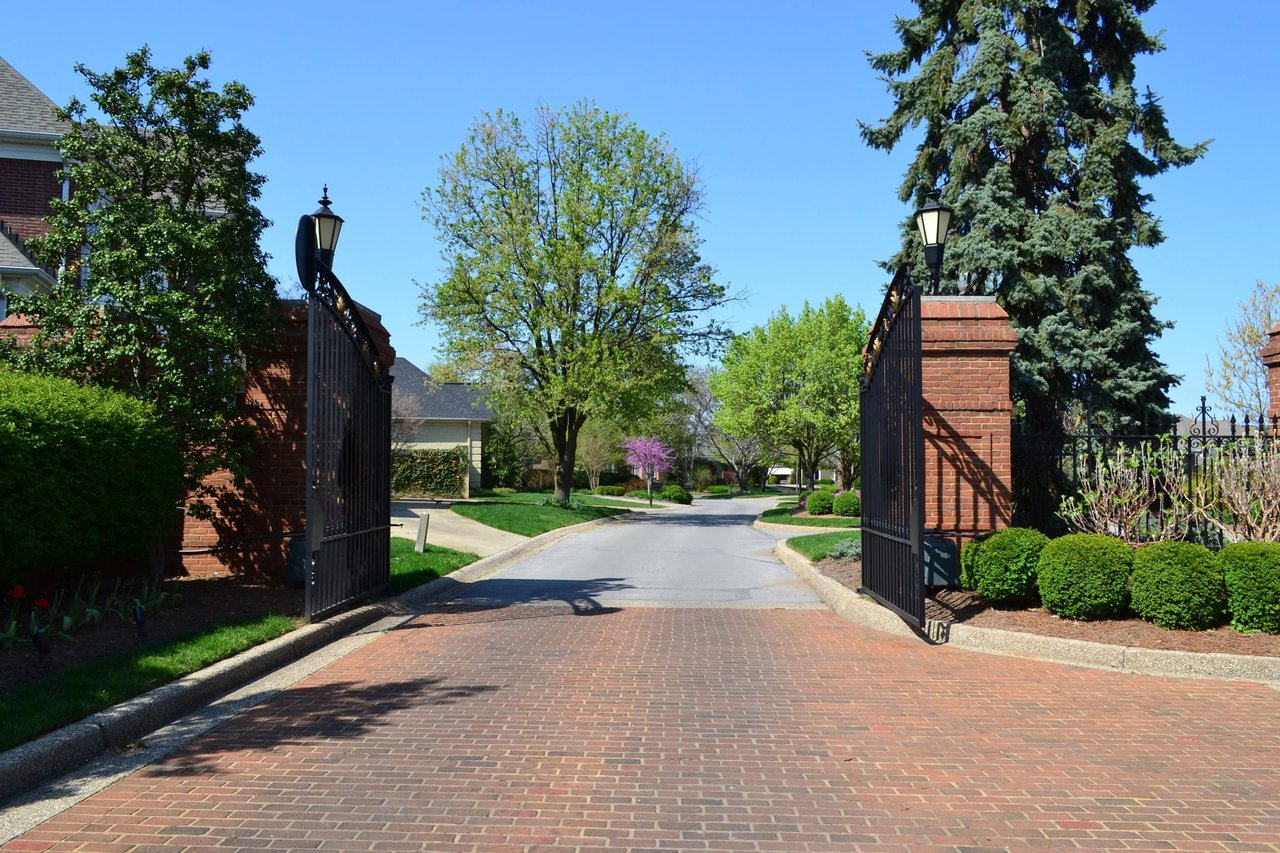
Thinking about a move to Alexandria? You are not alone. This small city just south of Washington, DC packs a lot into 15.75 square miles, which means your day-to-day experience can change a lot depending on where you live. If you are trying to figure out commute options, housing choices, neighborhood feel, and what life here actually looks like, this guide will help you get oriented. Let’s dive in.
Why Alexandria Feels Different
Alexandria is an independent city with an estimated 2024 population of 159,102. It is compact, close to DC, and known for blending historic character with urban amenities.
What matters most as a new resident is this: Alexandria is not one single lifestyle market. Within a short drive, walk, or Metro ride, you can find historic waterfront blocks, village-style commercial streets, newer mixed-use districts, and western corridors that feel more suburban or redevelopment-focused.
Alexandria Housing Basics
Alexandria offers a wide mix of housing types. You will find detached homes, two-family homes, townhouses, and multi-family buildings across the city.
That variety is helpful, but it also means you need to look closely at ownership structure. Some townhomes are fee-simple, while others are condominium properties, and that can affect monthly fees, maintenance responsibility, and even financing.
Expect a Higher-Cost Market
Alexandria is generally a higher-cost close-in market. The city reports that average assessed values are about $940,375 for a single-family home and $407,616 for a residential condominium.
For broader context, Census figures for 2019 through 2023 show a median gross rent of $2,031 and a median value of owner-occupied homes at $696,800. If you are relocating from a lower-cost area, those numbers are important to factor into your budget early.
Where Prices Can Vary
Not every part of Alexandria is priced the same. The city’s housing analysis shows lower-valued single-family homes are mainly concentrated in Potomac West, Seminary Hill and Strawberry Hill, Alexandria West, and Landmark and Van Dorn.
For condos, lower-valued options are more common in Landmark and Van Dorn, Alexandria West, Northridge and Rosemont, and Seminary Hill and Strawberry Hill. Older condos can be an entry point for first-time buyers, but condo fees and special assessments can have a real impact on monthly affordability.
Getting Around Alexandria
One of Alexandria’s biggest strengths is transportation choice. If you want access to Washington, regional job centers, and nearby Northern Virginia destinations, Alexandria gives you more than one way to get there.
WMATA serves the city with Blue and Yellow Line stations, including King St-Old Town, Braddock Road, Eisenhower Avenue, Van Dorn Street, Potomac Yard, and Huntington. That station spread gives different parts of the city distinct advantages depending on how you commute.
Metro, Rail, and Local Transit
King St-Old Town connects to DASH, Metrobus, and the free King Street Trolley. Braddock Road connects to Metroway and the Potomac Yard Trail, while Potomac Yard offers walkable access to the Virginia Tech Innovation Campus.
Eisenhower Avenue and Van Dorn Street can be practical options for riders who drive to Metro. Alexandria Station also adds VRE service on the Fredericksburg and Manassas lines, which gives some residents another regional rail choice.
Driving and Biking
If you drive, Alexandria has direct access through Route 1, the George Washington Memorial Parkway, and I-395. That can make the city appealing if your routine involves multiple work sites or travel across the region.
If you prefer biking or mixed-mode commuting, the city also maintains an expanding bikeway network and trail system. For many residents, that adds flexibility without requiring every trip to happen by car.
What Different Parts of Alexandria Feel Like
One of the best ways to understand Alexandria is to think of it as a group of distinct areas rather than one uniform market. Your best fit depends on how you want to live day to day.
Old Town
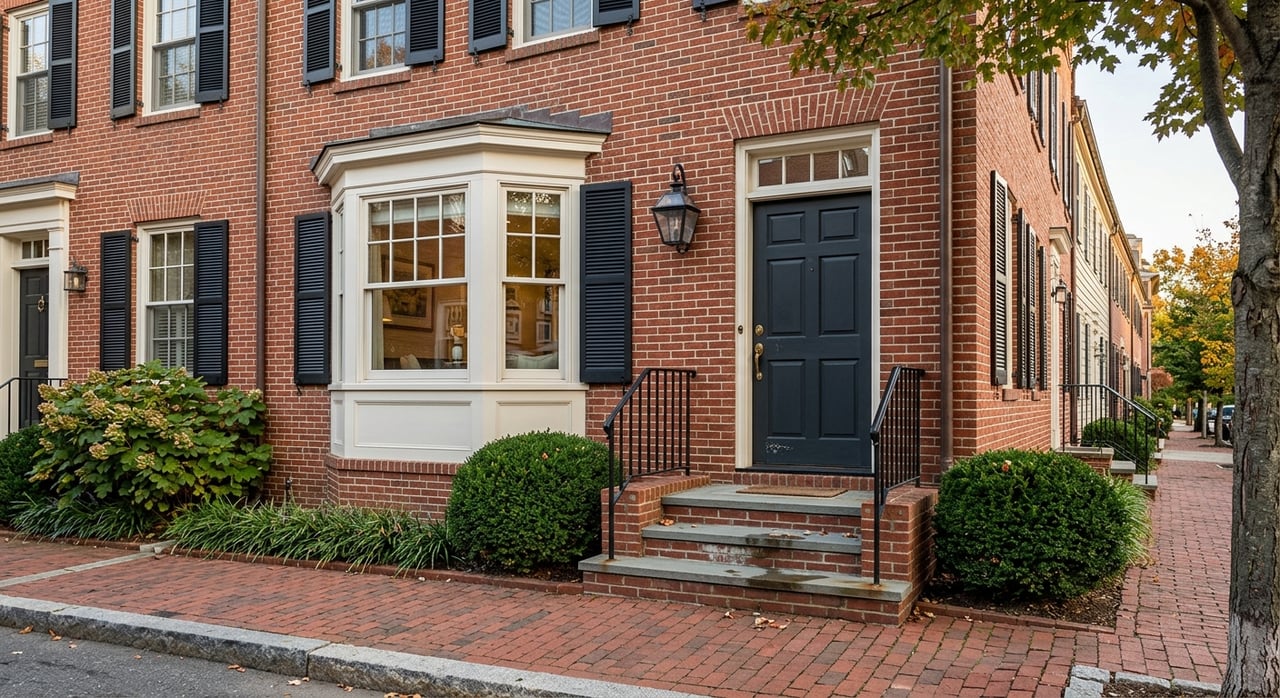
Old Town is the historic core of Alexandria and the city’s best-known area. It offers preserved Potomac River streetscapes, red-brick sidewalks, restaurants, shopping, arts, events, and historic attractions.
The waterfront adds even more to daily life here. The city describes about 23 acres of parks, trails, shops, dining, historic sites, and a marina along the waterfront, and Waterfront Park regularly hosts city-sponsored events and festivals.
Old Town North
Old Town North has some of the same proximity benefits as Old Town, but with a more mixed-use and redevelopment-oriented feel. The city’s plan for the area emphasizes a balance of uses, retail, arts and cultural uses, and affordable housing options.
If you want an urban setting near the historic core but are open to newer buildings and an evolving streetscape, this area may feel worth exploring.
Del Ray
Del Ray has one of Alexandria’s clearest neighborhood commercial corridors. Historically, it developed as a streetcar suburb, and that pattern still shapes the area today.
Its layout and market presence support a strong local-commercial feel rather than a downtown-scale one. The Del Ray Farmers’ Market is one of the neighborhood’s recurring anchors, and many residents are drawn to the consistency of that daily rhythm.
Potomac Yard and Carlyle-Eisenhower East
Potomac Yard and Carlyle-Eisenhower East stand out as Alexandria’s most transit-oriented growth areas. Potomac Yard is being shaped into a mixed-use community with a newer Metrorail station, regional park space, and major infrastructure investment.
Eisenhower East is also guided by an adopted small-area plan and continuing design review. In practical terms, these are areas to watch if you like newer development, transit access, and a more evolving neighborhood pattern.
West End and Landmark-Van Dorn
The West End is one of the clearest examples of change underway in Alexandria. The city is building a new West Alexandria Transit Center tied to the redevelopment of the former Landmark Mall site, now West End Alexandria.
That redevelopment is planned to include retail, multifamily housing, townhomes, medical office, and the new INOVA hospital campus. The planned West End Transitway is also intended to connect Van Dorn Metro, Landmark, Shirlington, Beauregard, and the Pentagon, reinforcing the area’s long-term transportation growth.
Everyday Life in Alexandria
Alexandria is not just about commuting. It is also a city with strong repeatable routines, especially if you enjoy parks, walking, local shopping, and outdoor time.
The city says it has more than 900 acres of parks and public spaces. Places like Waterfront Park and Four Mile Run Park support trail use, biking, and easy outdoor breaks from city life.
Markets, Parks, and Local Rhythm
Alexandria’s farmers market network includes Old Town, Del Ray, Four Mile Run, Old Town North, and the West End. That gives new residents several ways to plug into local routines without having to cross the whole city.
The Old Town Farmers’ Market is especially notable because the city says it is the oldest farmers’ market in the country held continuously at the same site. Along with the waterfront, it helps create the sense that Alexandria functions as a city of neighborhoods, not just a single downtown.
What New Residents Should Keep in Mind
If you are considering Alexandria, it helps to focus on how you want your life to work, not just which listing looks best online. A beautiful home can still feel like the wrong fit if the commute, monthly costs, or neighborhood rhythm do not match your goals.
A few practical things to weigh early include:
- Your preferred commute method, whether Metro, VRE, bus, biking, or driving
- The tradeoff between historic character and newer construction
- Whether condo fees or special assessments affect your true monthly budget
- How much neighborhood change or redevelopment you are comfortable with
- Whether you want a waterfront, village-style, mixed-use, or more transitional setting
For many buyers, the broad pattern is straightforward. East-side areas often offer stronger historic walkability and more established neighborhood character, while west-side areas often offer more price variation and more change over time.
How to Choose the Right Fit
There is no single best part of Alexandria for everyone. The right choice depends on your budget, commute, housing type, and how you want your daily routine to feel.
If you are a first-time buyer, an older condo or townhouse in the right location may open the door to Alexandria sooner than expected, but you will want to review fees carefully. If you are relocating, especially on a tight timeline, narrowing your search by transit access and housing style can save time and reduce stress.
Alexandria can be a great fit if you want close-in access to Washington, a broad mix of housing choices, and the ability to choose between historic charm, walkable neighborhood streets, newer mixed-use living, and areas still taking shape. The key is understanding that each pocket of the city offers a different version of that experience.
If you are planning a move and want clear, honest guidance on where to start, Debra Mcelroy can help you compare Alexandria neighborhoods, housing options, and next steps with confidence.
FAQs
What is Alexandria, VA like for new residents?
- Alexandria offers a mix of historic areas, transit-oriented districts, neighborhood commercial corridors, parks, and waterfront spaces, with very different living experiences across the city.
Is Alexandria, VA expensive to live in?
- Alexandria is generally a higher-cost close-in market, with city-reported average assessed values of $940,375 for single-family homes and $407,616 for residential condominiums, plus a Census median gross rent of $2,031.
What types of homes can you find in Alexandria?
- Alexandria includes detached homes, two-family homes, townhouses, and multi-family buildings, and some townhomes are fee-simple while others are condominium properties.
How do people commute from Alexandria to Washington, DC?
- Many residents use Metro, VRE, DASH, Metrobus, biking routes, or major road corridors like Route 1, the George Washington Memorial Parkway, and I-395.
Which parts of Alexandria feel most walkable?
- Old Town, Old Town North, and Del Ray are often associated with stronger walkable routines, local shopping, and neighborhood activity, though the feel of each area is different.
Are there more affordable areas in Alexandria for buyers?
- City housing analysis shows more lower-valued homes and condos in areas such as Landmark and Van Dorn, Alexandria West, Seminary Hill and Strawberry Hill, Potomac West, and Northridge and Rosemont, depending on property type.